
The Allure of Risk and Reward
The psychology of casino games is deeply rooted in the allure of risk and the potential for reward. From the moment players step into a casino, they are enveloped in an environment designed to heighten excitement and anticipation. The thrill of betting, combined with the possibility of winning a substantial prize, creates a powerful emotional response. This excitement can lead to a rush of adrenaline, which is often compared to the feelings associated with extreme sports or other high-stakes activities. In fact, some players might even explore casinos not on gamstop as they seek out various gaming experiences.
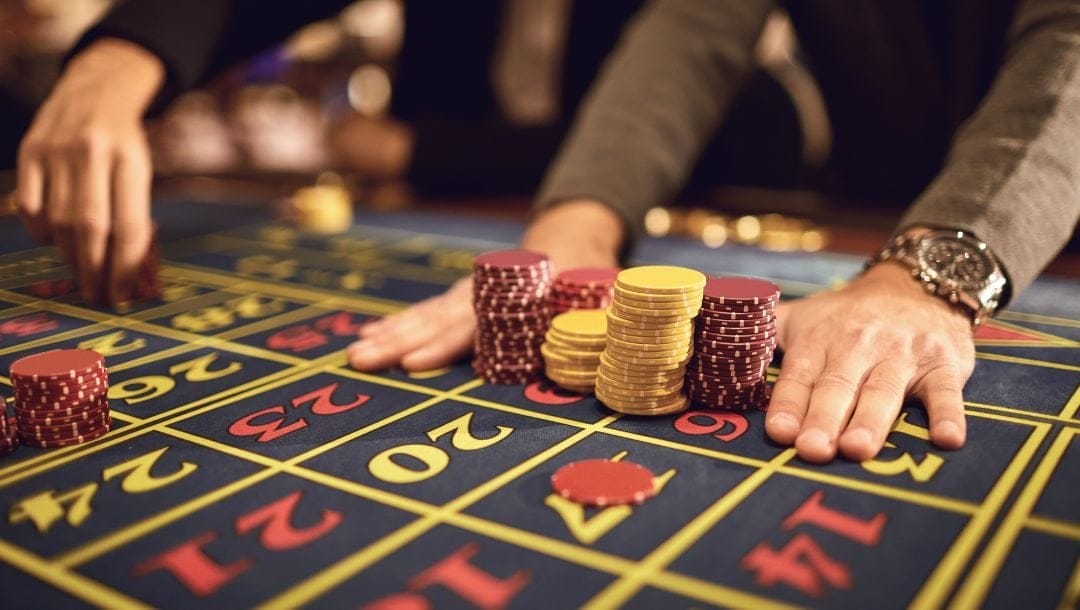
Moreover, the unpredictability of games such as slots, blackjack, and poker taps into our inherent love for risk-taking. Humans are wired to seek out rewards; this is a fundamental aspect of our behavior. The potential for a big win can overshadow the inherent risks, leading players to engage more passionately with casino games than they might with other forms of entertainment.
Psychological Triggers in Game Design
Casino games are meticulously designed to engage players at a psychological level. Features such as sound effects, visuals, and game mechanics are strategically implemented to enhance the experience. The use of bright lights and invigorating sounds when a player wins reinforces positive feelings and creates a desire to play more. This sensory stimulation can evoke feelings of happiness and satisfaction, contributing to the longer time spent at the tables or gaming machines.
Furthermore, game designers often employ principles of behavioral psychology, such as variable reinforcement schedules. These schedules create uncertainty regarding when a win might occur, making the gameplay more engaging and addictive. This unpredictability keeps players returning for more, as they chase the next win that could happen at any moment.
The Role of Social Interaction
Social interaction plays a crucial role in the appeal of casino games. Many players enjoy the communal aspect of gambling, which includes the camaraderie of sharing a table or celebrating wins together. Games like poker and roulette offer not just a chance to win money but also a social experience that can be exhilarating and fun. The laughter, cheers, and collective tension during high-stakes rounds create a bond among players, which enhances the overall experience.
Moreover, casinos often encourage social behavior by organizing tournaments and events. These gatherings not only provide an avenue for competition but also foster a sense of community among players. The interaction can lead to lasting relationships and shared experiences, making the act of gambling more than just a solitary pursuit; it becomes a social event.
The Impact of Personal Factors on Gambling Behavior
Individual psychology plays a significant role in gambling behavior. Factors such as personality traits, mood, and personal history can influence how and why a person engages with casino games. For instance, individuals who are more impulsive may be drawn to fast-paced games that offer immediate gratification, while those who are more strategic might prefer poker or blackjack, where skill can influence outcomes.
Furthermore, a person’s emotional state can greatly impact their gambling decisions. People may turn to gambling as a form of escapism during stressful times, making it a coping mechanism that can lead to both positive and negative outcomes. This complex interplay of personal factors demonstrates that gambling is not merely about chance; it’s also a reflection of individual psychology and life circumstances.

Promoting Responsibility in Gaming
Understanding the psychology behind casino games is essential in promoting responsible gaming practices. Awareness of the emotional and social triggers that entice players can help casinos develop safer gaming environments. By incorporating responsible gambling measures, such as setting limits and providing resources for those who may struggle with gambling addiction, casinos can support players in making informed choices.
Additionally, educating the public about the psychological aspects of gambling can empower individuals to recognize their motivations and behaviors while playing. Organizations and advocacy groups can play a crucial role in raising awareness about responsible gaming, ensuring that players can enjoy the thrill of casino games without compromising their well-being.