
Cultural perceptions of gambling How society shapes risk-taking behavior
Understanding Gambling Through Cultural Lenses
Cultural perceptions of gambling vary widely across different societies, influencing how individuals view risk-taking behaviors. In some cultures, gambling is seen as a traditional pastime, deeply embedded in social practices and rituals. For instance, in many indigenous communities, games of chance may have historical significance, serving as a form of community bonding and celebration. For a thrilling experience, players can try Casibo Royale500, which offers a variety of games.

Conversely, in other societies, gambling is often viewed with suspicion or disapproval, linked to moral or ethical concerns. These contrasting perceptions can significantly impact an individual’s willingness to engage in gambling activities, shaping their understanding of risk and reward. Such cultural attitudes contribute to the broader societal narrative surrounding gambling and its implications for personal responsibility.
The Role of Media in Shaping Perceptions
The media plays a crucial role in shaping societal perceptions of gambling. With the advent of online platforms and social media, narratives surrounding gambling have become more pervasive, often glamorizing risk-taking behaviors. Advertisements frequently depict gambling as a pathway to wealth and excitement, which can influence public opinion and individual attitudes toward participating in gambling.
Moreover, negative portrayals in the media can also affect perceptions, highlighting the dangers and potential consequences of gambling addiction. Such dual narratives create a complex landscape where societal views are continuously evolving, reflecting broader trends in cultural values and economic factors.
Psychological Factors Influencing Risk-Taking
Cultural perceptions of gambling are also intertwined with psychological factors that influence risk-taking behavior. For many, the thrill associated with gambling can be tied to an innate human desire for adventure and excitement. Psychological theories suggest that individuals from risk-averse cultures might engage in gambling differently compared to those from more risk-tolerant backgrounds.
Additionally, cognitive biases such as the illusion of control can lead individuals to overestimate their chances of winning, further complicating the cultural narrative. Understanding these psychological dimensions helps to clarify why certain groups may embrace gambling while others remain cautious or opposed to it.
The Impact of Regulation and Legislation
Regulatory frameworks surrounding gambling significantly influence cultural perceptions and behaviors. In regions where gambling is heavily regulated or restricted, societal views may align with the notion that it is a vice that must be controlled. These regulations can affect everything from how gambling is marketed to the types of games that are permissible.
Conversely, in jurisdictions that have embraced more lenient regulations, there is often a shift in public perception toward viewing gambling as a legitimate form of entertainment. Such changes can lead to increased participation rates and a redefinition of risk-taking behaviors, as the societal stigma surrounding gambling begins to dissipate.
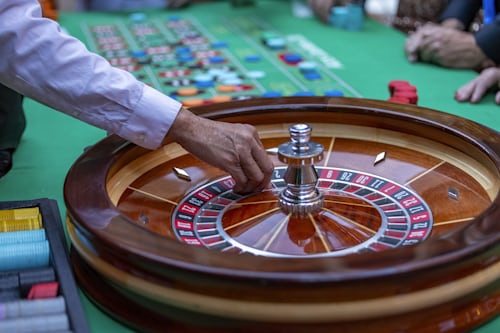
Exploring Future Trends in Gambling
The future of gambling is likely to be influenced by evolving cultural perceptions and technological advancements. As online gaming platforms grow, the distinction between traditional and digital gambling may blur, affecting how society views risk-taking. Innovative features like live dealer games and virtual reality experiences are redefining the gambling landscape, appealing to a new generation of players.
Furthermore, as discussions around responsible gambling and addiction gain traction, future trends may focus on promoting a balanced approach to risk-taking. This could lead to a cultural shift where gambling is recognized for its entertainment value while ensuring that individuals are educated about the risks involved, fostering a healthier relationship with gambling practices.